
natural light makeup mirror
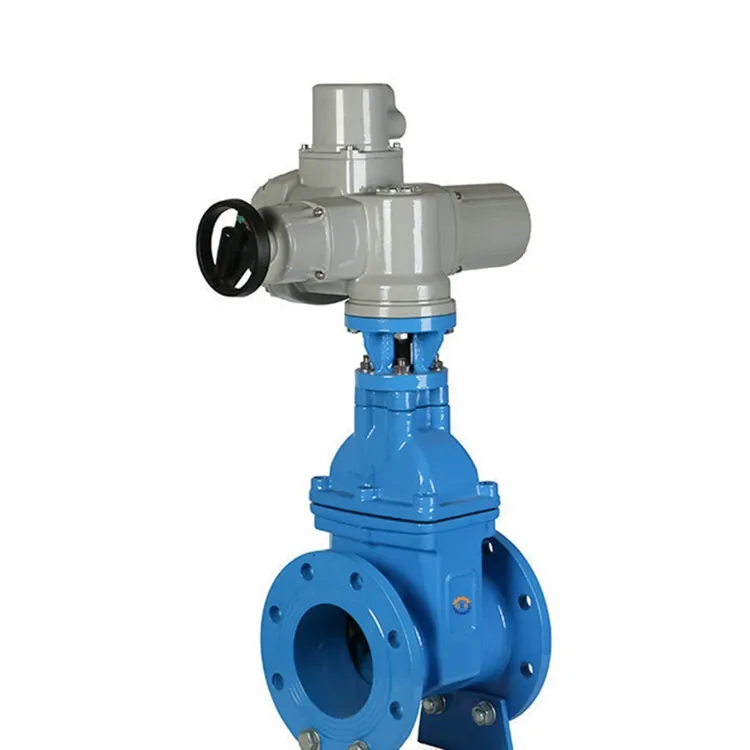
Two Types of Gate Valves A Comprehensive Overview Gate valves are crucial components in various piping systems, especially in applications that require on/off control of fluid flow. They are designed to provide minimal flow resistance when fully open, making them ideal for usage in systems where fluid flow needs to be regulated effectively. Within the category of gate valves, there are two primary types wedge gate valves and parallel gate valves. Each type has its distinct characteristics, advantages, and application scenarios, which are worth exploring in detail. Wedge Gate Valves Wedge gate valves are perhaps the most commonly used type of gate valve. They feature a wedge-shaped element that fits into the valve seats when closed, effectively sealing off the flow path. The design allows for a tight seal, minimizing the possibility of leakage when the valve is in the closed position. The wedge in these valves typically comes in two configurations solid and flexible. The solid wedge is rigid and provides excellent strength, while the flexible wedge allows for a degree of movement to adjust to potential misalignments in piping systems, which is particularly beneficial in larger installations or older systems where wear and tear may cause slight shifts. One of the primary advantages of wedge gate valves is their ability to handle high-pressure and high-temperature applications. This makes them suitable for industries such as oil and gas, water treatment, and chemical processing, where reliability under challenging conditions is essential. However, it is important to note that because they are not designed for throttling services, operating wedge gate valves in partial open positions over extended periods can cause significant wear and tear. Parallel Gate Valves two types of gate valves Parallel gate valves, often referred to as knife gate valves, employ a different mechanism than their wedge counterparts. Instead of a wedge-shaped disk, these valves utilize a pair of parallel gate plates that slide vertically within the valve body. This design allows for a more straightforward operation, especially in applications requiring periodic cleaning or maintenance. One of the significant benefits of parallel gate valves is their ability to handle slurries, viscous fluids, or coarse solids without becoming clogged or retaining material. This feature makes them particularly advantageous in industries such as mining, wastewater treatment, and food processing, where such materials are common. Parallel gate valves facilitate a tight shut-off due to the compressive force applied when the gates are closed. Additionally, because the gates can be operated in a more controlled fashion, these valves are less prone to wear from constant opening and closing cycles compared to wedge valves. However, it is worth mentioning that the sealing performance of parallel gate valves is typically not as robust as that of wedge gate valves, making them less suitable for high-pressure applications. Conclusion In summary, both wedge and parallel gate valves serve essential roles in various industrial applications. Wedge gate valves excel in high-pressure environments and provide a robust seal, making them ideal for oil and gas or chemical industries. On the other hand, parallel gate valves offer practical advantages in handling viscous fluids and slurries, suiting applications in mining and wastewater management. Choosing the right type of gate valve depends on the specific requirements of your application, including pressure, temperature, the nature of the fluid being controlled, and environmental conditions. Understanding the strengths and limitations of each type can significantly enhance operational efficiency and reliability in fluid control systems.
about
natural light makeup mirror
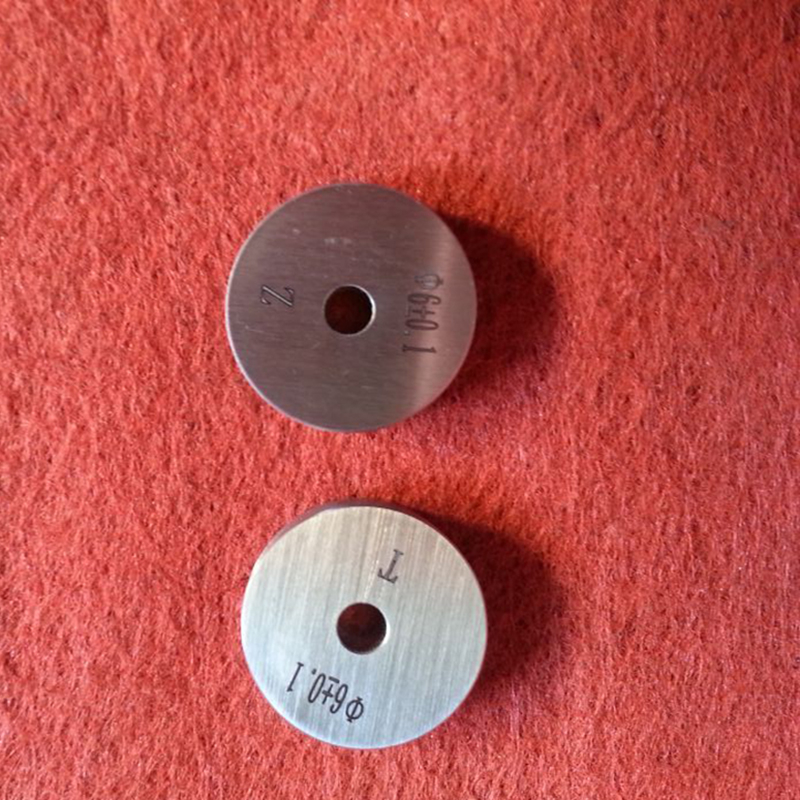
Understanding the Price of Thread Plug Gauges Thread plug gauges are essential tools used in manufacturing and quality control to ensure that threaded holes meet specific tolerances and standards. They play a crucial role in various industries, including automotive, aerospace, and precision engineering. As with any industrial tool, the price of thread plug gauges can vary significantly based on several factors. This article delves into the aspects that influence the price of thread plug gauges and how to choose the right one for your needs. Factors Influencing the Price 1. Material Composition The materials used in the manufacturing of thread plug gauges greatly affect their prices. High-quality gauges are typically made from hardened steel or carbide to ensure durability and resistance to wear and tear. The higher the quality of the material, the more expensive the gauge will be. For specialized applications, gauges might be made from even more exotic materials, further increasing costs. 2. Precision and Tolerance Standards Thread plug gauges must adhere to specific tolerance and precision standards, such as ISO, ANSI, or JIS specifications. The higher the precision required, the more complex the manufacturing process becomes, which contributes to the final cost. For example, a gauge designed for critical applications in the aerospace industry will be priced higher than one used for less critical operations. 3. Manufacturing Processes The method used to produce thread plug gauges can also impact pricing. Processes such as CNC machining, heat treatment, and surface finishing require advanced technology and skilled labor, leading to higher costs. In contrast, gauges produced using less sophisticated methods may come with a lower price tag but could compromise on quality and accuracy. 4. Size and Customization The size of the gauge plays a significant role in determining its price. Standard sizes are generally less expensive due to economies of scale in production. However, custom gauges, tailored for specific applications or unique dimensions, can significantly increase costs due to the need for specialized manufacturing processes. 5. Brand Reputation Established brands with a reputation for quality and precision may charge more for their thread plug gauges. While choosing a reputable brand may cost more upfront, it can lead to long-term savings through reduced replacement rates and increased accuracy, ultimately minimizing production errors. 6. Market Demand and Supply Like any other product, the law of supply and demand affects the pricing of thread plug gauges. Recessions or booms in the manufacturing sector can lead to fluctuations in gauge availability and, consequently, their prices. Keeping an eye on market trends can help one anticipate price changes and plan purchases accordingly. thread plug gauge price Making the Right Choice When selecting thread plug gauges, it is essential to balance quality with cost . Here are some tips to consider - Evaluate Requirements Determine the specific standards and tolerances necessary for your application. This will help you identify which gauges meet your needs without overspending on unnecessary features. - Invest in Quality While it may be tempting to choose cheaper options, investing in high-quality gauges can pay off in the long run through reduced error rates and increased lifespan. - Compare Suppliers Research multiple suppliers and compare prices, taking into account factors such as delivery times and after-sales support. A slightly higher price from a reputable supplier may offer better value than a low-cost option from an unknown source. - Consider Bulk Purchases If your operations require multiple gauges, consider bulk purchasing. Many suppliers offer discounts for larger orders, which can lead to significant cost savings. Conclusion The price of thread plug gauges is influenced by various factors, including materials, manufacturing processes, and market conditions. By understanding these elements and carefully evaluating your specific needs, you can make informed decisions that ensure you acquire the right tools for your operations without overspending. Investing in high-quality thread plug gauges ultimately contributes to the precision and efficiency of your manufacturing processes, proving beneficial in the long run.
-

High quality industrial productsagement

High quality industrial products
View Details -

Meet the diverse needs of customers

Meet the diverse needs of customers
View Details -

Strict quality control

Strict quality control
View Details -

Top raw materials

Top raw materials
View Details -

Trusted supplier

Trusted supplier
View Details
Our application

news and information
Vanne papillon 15 mm - Performances et applications
La vanne papillon de 15 mm est un élément essentiel dans le domaine de la régulation des fluides. Gr

Wood Frame Truss Nail Plate Solutions _ High-Quality Structural Components
Understanding Wood Frame Truss Nail Plates Wood frame construction is a prevalent method in building
Wholesale Options for High-Quality Ball Valves at Competitive Prices
The Benefits of Wholesale Ball Valves for Industrial Applications Ball valves are crucial components
 English